Transform Your Outdoor Space: Premier Deck Staining Offerings for Lasting Beauty
Transforming an outdoor space often begins with the condition of the deck. Deck staining solutions play an important role in enhancing and protecting this area. Quality stains not only elevate the aesthetics but also protect against environmental damage. As homeowners seek to create inviting atmospheres, understanding the subtleties of deck staining becomes essential. What elements should one consider to guarantee a durable and attractive finish? The answers lie in the details of the staining process.
Why Deck Staining Is Critical for Your Backyard Environment
Deck wood coating functions as a fundamental protective measure for outdoor surfaces, improving both aesthetics and longevity. Without suitable staining, decks are vulnerable to the negative effects of weather, including UV rays, rain, and snow, which can cause wood rot and damage. Staining forms a barrier that stops moisture from penetrating, reducing the chance of mold and mildew growth. Additionally, it helps maintain the wood’s natural color and texture, preventing fading over time.
Additionally, consistent staining can lengthen the durability of a deck, saving homeowners from costly repairs or replacements. It also increases the appeal of the property by improving exterior appearance. The right stain can display the natural wood grain of the wood, offering the backyard area a polished look. In conclusion, deck staining is not merely an decorative decision but an vital aspect of keeping a secure and beautiful outdoor environment.
Finding the Best Deck Stain: Colors and Finishes Described
Choosing the ideal deck stain requires knowing the various colors and finishes on offer, which can dramatically affect the overall appearance and durability of an outdoor space. Deck stains typically come in three main categories: transparent, semi-transparent, and solid. Transparent stains permit the wood grain to show through, providing a natural look while providing minimal protection. Semi-transparent options improve the wood's texture and color while delivering better UV protection and durability. Solid stains, on the other hand, provide the highest level of protection, effectively hiding the wood grain and providing a uniform color.
When picking a color, homeowners should reflect check article on their existing outdoor styling and encompassing landscape. Earthy tones and grays often work well with natural settings, while striking colors can inject a dash of flair. To sum up, the ideal stain not only improves aesthetic appeal but also extends the life of the deck, making this determination essential for long-term satisfaction.
Important Elements of the Premier Deck Finishing Options
The finest deck stain solutions are distinguished by multiple important qualities that ensure a premium finish. These include the procurement of superior stain products, the utilization of skilled application processes, and a comprehensive prep work. Together, these aspects amount to a resilient and beautiful result for any deck.
Superior Stain Collection
Picking the ideal stain can greatly impact the lifespan and visual appeal of a deck. Quality stain selection involves a number of vital elements, encompassing durability, weather resistance, and aesthetic appeal. Premium stains are constructed to withstand the elements, blocking moisture infiltration and UV damage. Furthermore, they often contain mold and mildew inhibitors, which enhance a longer-lasting finish.
Color selections also play an essential role; a carefully chosen hue can enhance the natural beauty of wood while complementing the surrounding landscape. Moreover, specialized stains offer various sheens, ranging from transparent to solid, allowing homeowners to achieve their desired look. Overall, selecting a high-quality stain is critical for ensuring that a deck remains attractive and functional over time.
Skilled Execution Techniques
After picking a high-quality stain, the application process becomes essential to achieving desirable results. Professional deck staining services employ precise techniques to guarantee an consistent and durable finish. Experts typically use tools such as brushes, rollers, or sprayers, each determined based on the stain type and deck material. They often apply the stain in thin consistent layers, promoting superior absorption and eliminating unsightly drips or pooling. Additionally, specialists understand the importance of proceeding in suitable weather conditions, ensuring the stain adheres properly. Some may also incorporate back-brushing methods to confirm complete coverage in textured surfaces. By leveraging these methods, professional services boost not only the visual appeal but also the longevity of the deck, shielding it against the elements.
In-Depth Getting Ready Process
Prioritizing comprehensive preparation sets apart the top deck staining services from others. These specialists initiate by examining the deck for damage, guaranteeing structural soundness before any staining occurs. They carefully clean the area, eliminating dirt, mildew, and old finishes to create an optimal bonding environment for the new stain. Some services even utilize pressure washing to eliminate stubborn grime successfully. Afterwards, they tackle any repairs, replacing damaged boards or strengthening loose elements. A quality deck staining service will also sand rough areas to achieve a smooth finish, enabling for even stain application. This thorough preparation not only enhances the aesthetic appeal but also prolongs the lifespan of the deck, ensuring long-lasting beauty and protection against the elements.
DIY versus Expert Solutions: Choosing the Ideal Deck Staining Choice?
When examining deck staining alternatives, individuals often compare the cost against the skill level needed for each approach. DIY projects may present a lower initial price but demand a certain ability to obtain satisfactory results. In comparison, hiring experts incurs elevated costs but typically guarantees a higher-quality finish and long-term durability.
Cost Considerations Involved
Deciding between self-service deck staining and employing a professional requires careful examination of assorted financial considerations. Self-directed projects often appear economical up front, since they need only the expense of supplies, which might feature finishes, brushes, and protective gear. However, unexpected charges like tool rental or acquiring tools may surface. In contrast, expert services include a steeper initial outlay, including labor costs, knowledge, and typically a guarantee on the finished job. Such investment may produce lasting outcomes that could save costs in the long run by reducing the frequency of frequent touch-ups. Ultimately, the choice rests on assessing both upfront expenses and future gains, making sure homeowners choose the solution that fits best with their budget and maintenance preferences.
Essential Skill Level
Evaluating the skill level needed for deck staining is vital in deciding whether to undertake the project independently or hire a professional. For those with experience in home improvement, a DIY approach may be achievable. Basic skills such as surface treatment, application techniques, and proper tool use are vital. However, lack of expertise can lead to uneven finishes or insufficient protection.
On the other hand, using an expert ensures a premium quality outcome, as they have expert knowledge and specialized tools. They are able to overcome obstacles, including weather patterns and choice of materials, with ease. In the end, the choice is based on an individual's belief in their capabilities and the desired appearance and longevity of the deck. Taking into account competency level with project expectations will guide this important choice.
Important Advice for Keeping Your Deck's Lasting Visual Quality
Keeping your deck in excellent shape
Surveying the flooring for marks of wear, including splitting or fading, is necessary. Any damaged boards should be refreshed promptly to preserve structural integrity. In addition, applying a high-quality stain or sealant every couple of years enhances protection against UV rays and moisture, extending the deck's lifespan.
Seasonal maintenance is also important. In winter, clearing snow and ice helps prevent water damage. Finally, placing rugs or mats in high-traffic areas can reduce deterioration. By adhering to these straightforward yet efficient maintenance tips, homeowners can guarantee their decks remain beautiful and functional for years to come.
Motivating Pre and Post Deck Renovations
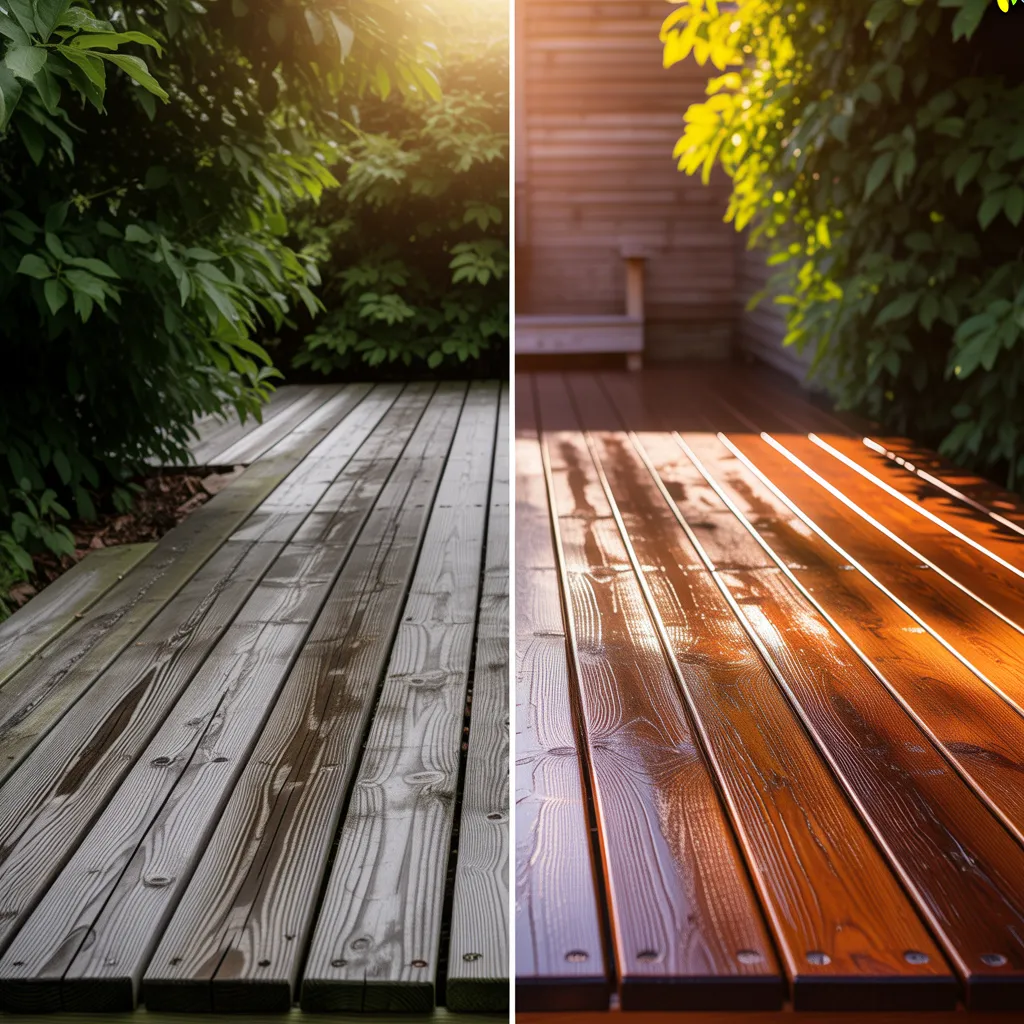
Refreshing a deck can significantly improve both its aesthetic appeal and usability. Before and after projects showcase the remarkable difference that professional staining services can accomplish. In many cases, faded, dull wood is refreshed into a rich, welcoming hue, instantly enhancing the entire outdoor space.
For instance, a overlooked deck with peeling paint and apparent deterioration can be restored into a beautiful centerpiece for events, featuring a polished surface that invites guests to stay. The addition of complementary railings and furniture enhances the transformation, establishing a cohesive look.
Moreover, these advancements aren't solely about beauty; they also boost longevity. A properly stained deck is shielded from the elements, withstanding water damage and UV harm. Consequently, comparative photos not only motivate but also highlight the benefit of purchasing quality deck finishing services, guaranteeing durable enjoyment and improving outdoor living environments for years to come.
Frequently Asked Questions
What Schedule Should I Stain My Deck?
Decks should generally be treated every two to three years, based on exposure to weather elements. Routine checks can assist in identifying the staining requirements, guaranteeing protection and preserving the deck's visual appearance over time.
Can You Apply Stain Over Old Paint or Stain?
Staining over old paint or stain is generally not recommended. Adequate surface preparation, incorporating deep cleaning and perhaps sanding, is vital to guarantee good adhesion and an even finish, enhancing the longevity of the new stain.
What Weather Conditions Are Ideal for Staining?
The optimal atmospheric conditions for applying stain occur on mild and dry days with heat levels between 50°F and 90°F. Minimal moisture and minimal wind also encourage ideal bonding and drying, ensuring a durable coating for external materials.
What Is the Average Duration of Deck Stain?
Deck stain typically lasts around three to five years, contingent on variables like climate, sun exposure, and the type of wood. Ongoing maintenance can prolong its lifespan and boost the deck's visual appeal.
Do sustainable coating alternatives exist?
Yes, various environmentally friendly stain choices are provided, encompassing water-based and plant-based formulations. These solutions minimize dangerous compounds while delivering reliable safeguarding and highlighting the natural beauty of wood, keeping them appropriate for green-conscious residents.